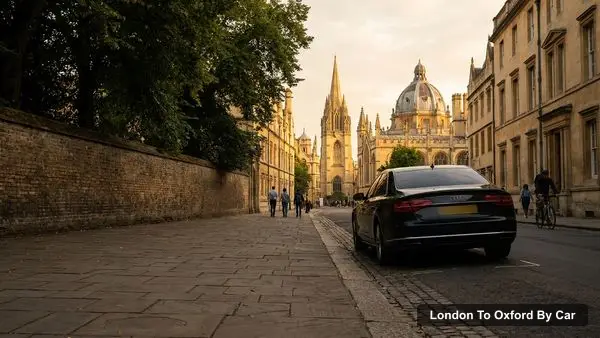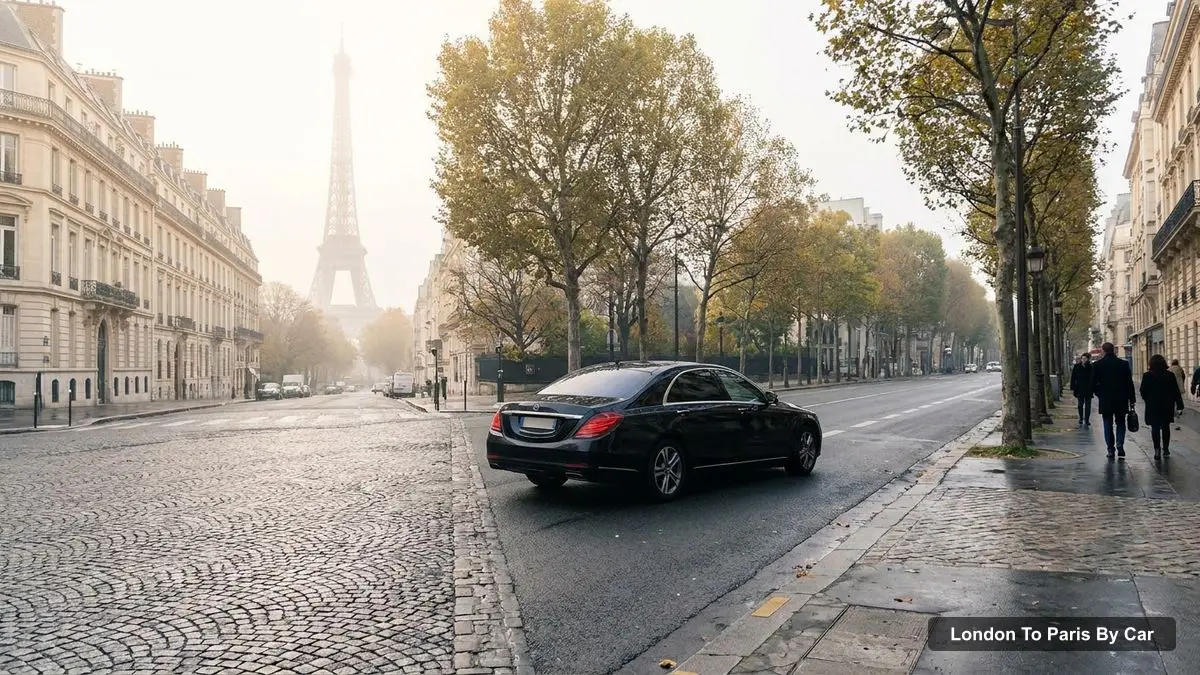
London to Paris by car means two drives joined by a train. We collect you from your address in London, drive to the Eurotunnel terminal at Folkestone, cross on Le Shuttle and carry on to your address in Paris. You stay in the car from start to finish, and it is a good fit for a family, a group or anyone who would rather not carry bags through two stations.
How long is London to Paris by car?
The drive is in two legs. From central London to the Eurotunnel Le Shuttle terminal at Folkestone it is 70 miles (113 km), about 1 h 45 min without traffic. From the Calais-Coquelles terminal to central Paris it is 181 miles (291 km), about 3 h 10 min. That makes 251 miles and about 4 h 55 min of driving.
The crossing itself takes 35 minutes, but you also need to allow for check-in before departure and the time to drive off the train in France. Add a stop for lunch or a break and a realistic door-to-door day is closer to seven hours than five. France is an hour ahead of the UK, so the clock in Paris will show a later time on arrival than you might expect. You can see both legs on Google Maps: London to Folkestone and Calais to Paris.
How the Channel Tunnel crossing works
Le Shuttle is the Eurotunnel service that carries cars on a train between Folkestone and Calais. You do not get out and walk on as a passenger: the car drives onto a carriage and you stay inside it. The official Le Shuttle site explains the process for drivers.
In practice, your driver checks in at the terminal, we go through the border controls, and we wait in the lanes until we are called to board. The crossing is 35 minutes. On the French side the road leads straight to the motorway network, and the A26 and A1 take you towards Paris.
Passports and border checks at Folkestone
The checks happen before you board, at Folkestone. UK and French officers work side by side at the terminal, so you leave the UK and enter France without another stop at Calais. Every passenger needs a valid passport, so keep them to hand and not in the boot, and check the entry rules for your nationality.
Rules for non-EU visitors have been changing, including the EU’s Entry/Exit System, so check gov.uk travel advice for France before you travel. If you are not a British or EU citizen, make sure you know whether you need a visa for France. Children travel on their own passports.
London to Paris by car or Eurostar?
Eurostar is a fast, comfortable train, and for one person going from St Pancras to a hotel near Gare du Nord it is hard to beat. A little over two hours between city centres will beat a car on time. Check times and fares on the Eurostar website; an advance fare is usually far cheaper than one bought on the day.
The car makes sense when:
- you are four or more people, and one car replaces several tickets;
- you have children, a pushchair, golf clubs, skis or a lot of luggage;
- you are starting or finishing at a house, a villa or a hotel outside the centre;
- you want to stop on the way, at Canterbury, a Champagne cellar or a coastal town;
- you are heading beyond Paris, for example to Disneyland Paris.
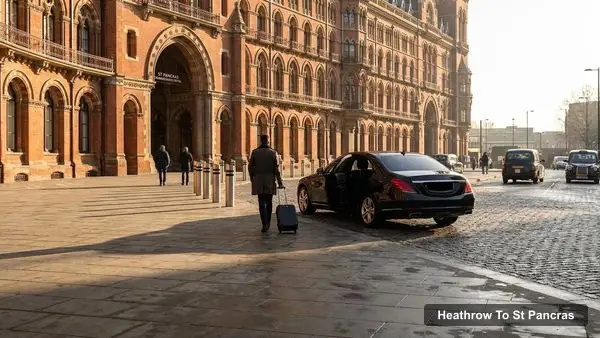
If you do want the train, we can take you to St Pancras for the Eurostar, and collect you at the other end if you give us a pick-up time.
What the whole day looks like
A typical morning starts with a pick-up at your door in London and a drive through Kent on the M20 to Folkestone. We aim to arrive at the terminal in good time for the crossing you are booked on, then go through check-in and the border controls together. After the 35-minute crossing the car drives off the train and joins the French motorways.
The last hour or so is Paris itself, where the ring road and the central streets are busy at rush hour. If you have a hotel booked, a meeting or a restaurant table, tell us the time you must arrive and we will work back from it. A lunch stop on the way, in Calais, Arras or a service area, is simple to add.
Can you stop on the way, or go beyond Paris?
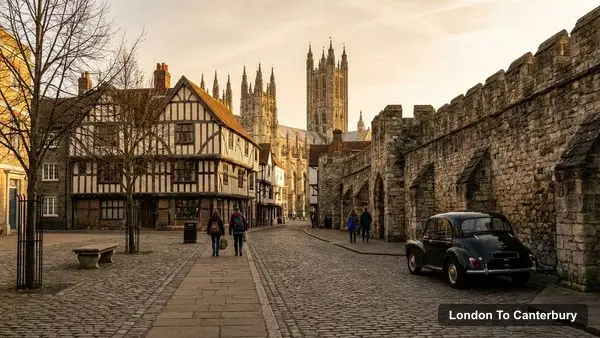
Yes. A private driver is not tied to a timetable, so a stop is whatever you ask for. Many guests break the journey in Canterbury before Folkestone, or in northern France for lunch. Disneyland Paris lies east of the city and is a common destination for families, and we can quote it in place of central Paris.
You can also ask for a driver for your days in Paris. Tell us what you have in mind and we will quote it on request alongside the transfer.
Which car for London to Paris?
Choose the car for the people and the luggage. Our fleet is:
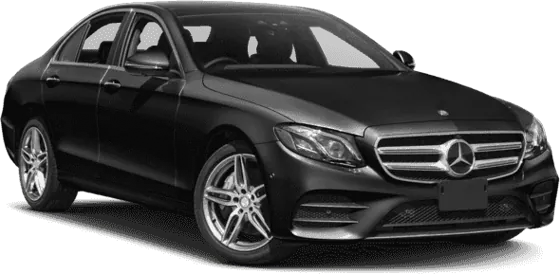
- Mercedes E-Class or BMW 5 Series: up to 3 passengers.
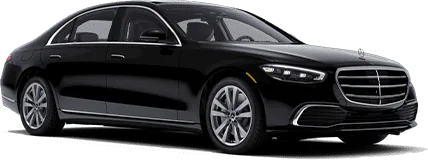
- Mercedes S-Class or BMW 7 Series: up to 3 passengers, for the most legroom on a long day.
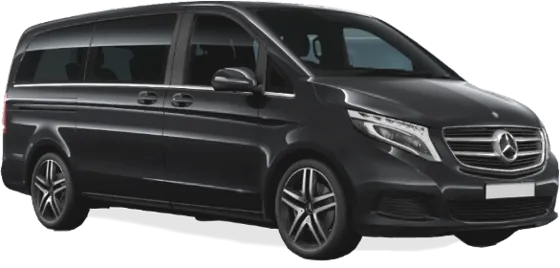
- Mercedes V-Class or VW Transporter: up to 8 passengers.
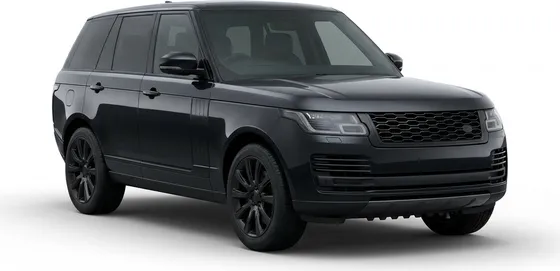
- Range Rover: up to 4 passengers.
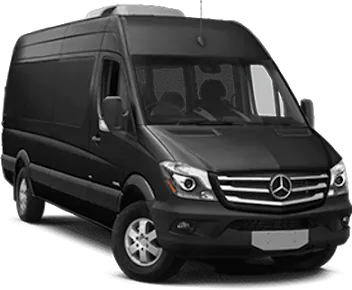
- Mercedes Sprinter minibus: up to 16 passengers, quoted on request. See minibus and coach hire for groups.
What does London to Paris cost with a private driver?
Paris is quoted on request. We do not publish a made-up price, because it depends on the car, the addresses, the date and whether you want a one-way transfer or a return. We send a fixed price before you book, with VAT included, and you will know what you pay before the day. The hourly rates in our price list apply to London and nearby hire, not to journeys through the Channel Tunnel.
The Le Shuttle fare is set by Eurotunnel and varies by date and time, so check it on the official site. We will tell you how the crossing fits into the quote when you ask.
How to book your London to Paris transfer
- Use the quote form below, or go to contact.
- Give the pick-up address in London, the drop-off address in Paris, the date, the time you would like to leave and the number of passengers and bags.
- Tell us if you want a return, a stop on the way or a pick-up from Heathrow, Gatwick or St Pancras.
- We send a fixed price with VAT included. You confirm and we confirm the car and the plan.
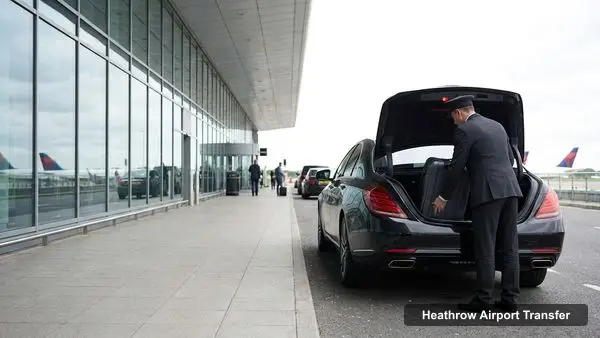
If you are starting from an airport, see our Heathrow transfer page, and for a stop on the way to Folkestone our Canterbury page.
Last updated 20 October 2026.